
WINNER 2026
Santunu Barua Celebrates 2026 Global Recognition Award™

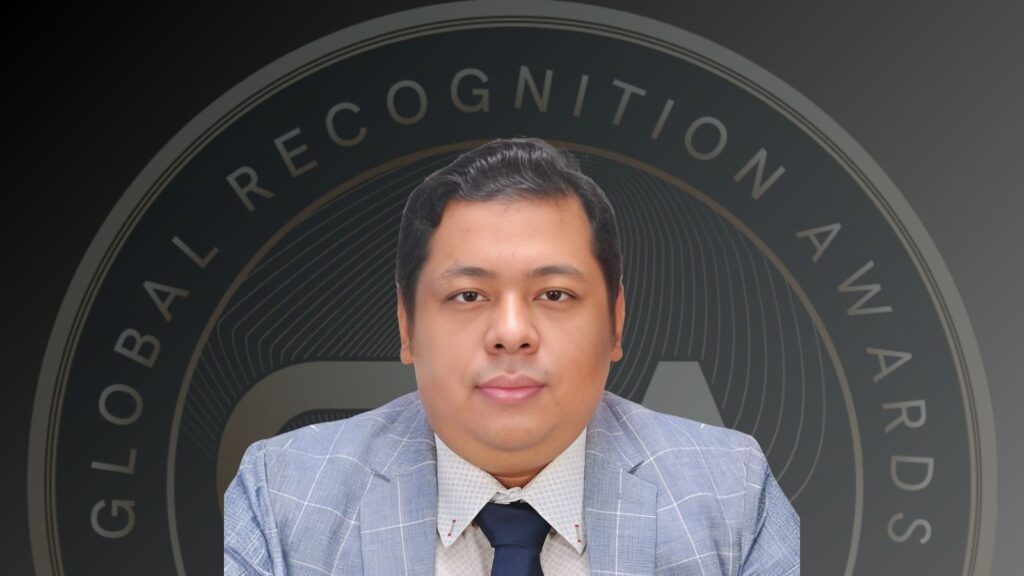
Santunu Barua Receives 2026 Global Recognition Award™
Santunu Barua has been recognized with a 2026 Global Recognition Award for strong leadership and service in civil and environmental engineering across infrastructure work in Bangladesh and environmental compliance in the United States. Barua received the highest score of 5, indicating world-class performance across all ten assessed criteria in leadership and service. His career demonstrates a consistent record of addressing critical infrastructure issues while enhancing environmental protection through effective regulatory work and structured project management.
Barua’s professional history includes significant roles at the Bangladesh Small and Cottage Industries Corporation, the Department of Public Health Engineering, and in different industrial facilities in New York. His work has encompassed industrial facility approvals, construction oversight, and large-scale water supply and sanitation initiatives that have improved public health measures. These projects set working standards for how infrastructure can combine operational reliability with environmental safeguards. His move into environmental engineering in New York marked a shift toward integrating stormwater systems, wetland protection, and regulatory rules with industrial development.
Shortlisted applicants for the Global Recognition Awards are evaluated using the Rasch model, which creates a linear measurement scale for each category, allowing for precise comparisons between candidates, even when they excel in different areas. Barua holds several professional certifications, including OSHA 40-hour HAZWOPER Training, OSHA 30-hour Construction Industry Safety Training, and New York State DEC 4-Hour Erosion and Sediment Control Training. He earned a master’s degree in Environmental Engineering from Manhattan University and a bachelor’s degree in Civil Engineering from Chittagong University of Engineering & Technology. These qualifications support his technical work in handling complex regulatory demands across varied regions and industrial sectors.
Vision And Strategic Execution
Barua’s leadership at the Bangladesh Small and Cottage Industries Corporation involved approving factory layouts, managing procurement systems, and supervising construction efforts that supported Bangladesh’s industrial growth. These tasks required planning to minimize inefficiencies and environmental risks while ensuring facilities were prepared for upcoming regulatory changes. His approach shifted industrial oversight toward early planning that accounted for both operational needs and environmental limits. This method provided working models for sustainable industrial growth in developing markets.
The Department of Public Health Engineering’s role demonstrated Barua’s ability to undertake infrastructure efforts that directly addressed public health needs through improved water access. Managing water supply and sanitation work required coordination with many parties, handling government processes, and maintaining schedules with limited resources. His success in these large projects demonstrated that civil engineering can effectively link structural delivery with public health benefits. The recorded results included expanded access to clean water and improved sanitation facilities, which reduced waterborne disease rates in underserved communities.
Environmental Compliance And Practical Innovation
Barua’s work across different industrial facilities in New York focused on ensuring industrial development aligned with environmental regulations by implementing stormwater systems and wetland protection measures. He carried out wetland delineation under the guidance of the U.S. Army Corps of Engineers, marking boundaries to prevent unauthorized land use changes in sensitive areas. His preparation of engineering reports and regulatory applications for agencies, including the NYCDEP and NYSDEC, effectively combined environmental monitoring and project delivery. This approach placed environmental requirements at the center of project planning, rather than leaving them to be corrected at a late stage.
The technical scope of his environmental work included the use of monitoring tools, such as the CASELLA CEL-712 Microdust Pro, for tracking air quality, and the design of stormwater detention systems that reduced flooding while treating runoff pollutants. These solutions addressed several issues at once, protecting water quality, managing flood risk, and maintaining industrial operations. His skill in linking civil engineering methods with modern environmental rules created working models that allowed industries to operate under strict standards without losing efficiency. The method demonstrated that economic growth and environmental protection can be achieved simultaneously when integrated into projects from the outset.
Final Words
Santunu Barua’s career path reflects the shift in engineering practice from a narrow technical focus toward broader approaches that consider environmental impact, public health results, and long-term sustainability. His work across differing regulatory settings and development conditions shows an ability to apply engineering tools to varied local needs. The recognition encompasses his contributions to Bangladesh’s industrial base, improvements in water and sanitation tied to public health, and environmental compliance work in New York’s regulated industrial sector. Each stage drew on earlier experience while extending into new areas of environmental responsibility.
Alex Sterling, spokesperson for Global Recognition Awards, highlighted Barua’s qualities: “Santunu Barua represents the link between traditional infrastructure development and modern environmental accountability. His ability to deliver measurable results across very different regulatory settings, from developing industrial economies to tightly regulated U.S. jurisdictions, while maintaining strong standards in both project delivery and environmental compliance, shows a level of professional rigor that has a clear impact on community health and industrial sustainability.” The award recognizes both his technical expertise and his consistent record of making ethical decisions across diverse cultural and regulatory contexts throughout his engineering work.
ADDITIONAL INFORMATION
| Table Header | Table Header |
|---|---|
|
Industry |
Civil and Environmental Engineering |
|
Location |
New York, NY, USA |
|
What They Do |
Santunu Barua is a civil and environmental engineer specializing in infrastructure development and environmental compliance. In Bangladesh, he supervised industrial zone development, factory approvals, and water supply systems, managing construction and procurement for public health projects. In different industrial facilities in NY, he designs stormwater management systems, conducts wetland delineations following U.S. Army Corps of Engineers protocols, and prepares regulatory applications for agencies including NYCDEP and NYSDEC. His work integrates pollution control, environmental monitoring, and regulatory compliance to ensure industrial projects meet federal and state environmental standards while maintaining operational efficiency |
|
Website |
Take your business to the next level
Apply today and be a winner