Smyth Restaurant Receives a 2025 GLOBAL RECOGNITION AWARD
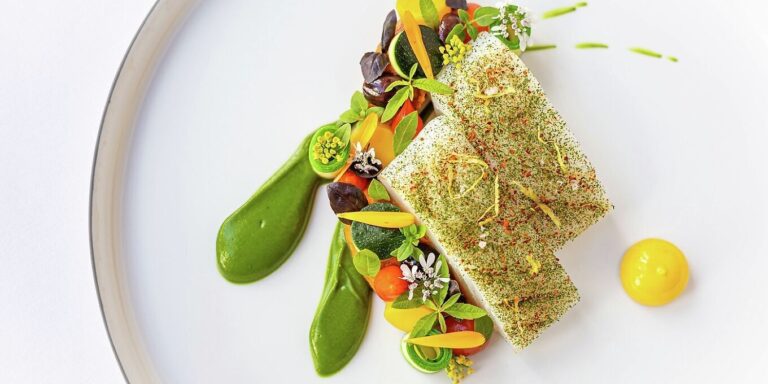
Night falls in Chicago’s West Loop, and at Smyth, anticipation heightens as the kitchen team prepares their most evocative dish: Dungeness crab gently cradled in chawanmushi, punctuated with razor-thin slices of kohlrabi and finished with crab “mustard.” At that moment, a chef emerges from the open kitchen—hands steady, voice low—placing the dish before guests with a succinct description of its midwestern provenance, each detail revealing a season’s worth of thought. In this intimate setting, Smyth has earned a 2025 Global Recognition Award, an honor reserved for restaurants setting high standards in global culinary achievement; it joins a select group of establishments marked by three Michelin stars and a place among the world’s top 100 restaurants.
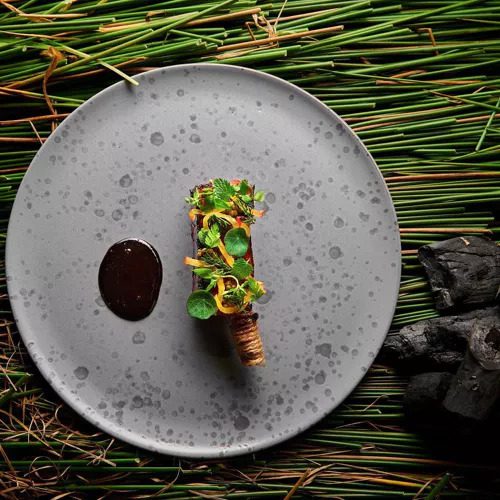
This award recognizes consistent excellence and the rare combination of vision and execution. Smyth’s progress traces back to John and Karen Shields’ formative years among Virginia’s farmlands, solidifying a culinary ethos that places intentionality ahead of spectacle. “We want every ingredient to have a reason, a purpose,” says Chef John, and that outlook is translated nightly into plates where fermentation, aging, and live-fire techniques draw out nuanced flavors from carefully sourced produce. Smyth’s foundational approach is defined by its balance of precision and soul. This kitchen can coax umami from a potato aged for weeks or fold wildflower honey into desserts that evoke prairie summers. The anticipation extends to the menu, which changes with the day’s best ingredients; chefs collaborate directly with growers, shepherding unique varietals from field to table. Each component—whether a quail egg smoked over hay or marbled wagyu paired with bone marrow-glazed doughnut—serves a clear intention, creating a surprising and well-considered meal.
Culinary Mastery and Innovation
At Smyth, culinary innovation is methodical, with each technique designed to amplify—never overwhelm—the core of a dish. The kitchen’s application of fermentation and preservation provides new perspectives on familiar ingredients—consider the lamb sweetbreads, aged and lacquered, or the Maine uni in its shell, enriched with house-fermented wasabi cream and peach gel. The open kitchen’s wood-fire hearth is as much a nod to tradition as it is an instrument for developing depth and complexity.
Modern precision equipment supports, rather than overshadows, these methods: temperature-controlled fermentation chambers and digital temperature monitoring ensure consistency. At the same time, collaboration with local farms yields exclusive produce, such as foraged greens or hyper-seasonal fruits. The nightly menu is curated as a progression, so diners encounter something distinct in each visit—perhaps a sourdough aged with koji or a dessert of new-potato ice cream with tart gooseberry compote.
What sets Smyth apart is its extensive range of advanced methods, but the restraint and consistency with which they are implemented. Every preparation results from careful research—honeys aged, butters churned with cultivated cultures, pickles showcasing umami through trial and adjustment. In this environment, chefs anticipate preferences not by formula but by assembling menus around guest mood, seasonal memory, or “what will make you remember this night for years.” This intent extends to wine pairings, where rare vintages or lesser-known organic producers’ bottles are matched based on timing and narrative, not just flavor.
Service Philosophy and Culinary Leadership
Smyth uses a service style that is both practiced and approachable, with the team showing not just menu knowledge but real interest in guest experience. Sommeliers and service staff share pairing stories that connect directly to the food’s source, while front-of-house attentiveness ensures every request—from handedness to water preference—is addressed beforehand. The reservation system, managed via Tock, allows for convenient customization, while private chef’s table options offer behind-the-scenes insight without diminishing the restaurant’s sense of intimacy. Dietary requests are reviewed with the chef’s input, and the kitchen team coordinates these changes smoothly, leading guests to describe the experience as “effortless.”
Leadership is key to this reliability; executive chefs John and Karen Shields direct the kitchen with values based on thoughtful stewardship and steady partnerships. The staff, which includes those with focused skills in fermentation, butchery, pastry, and plant-based cookery, brings precise execution to every stage, from ingredient evaluations to maintaining a responsive daily menu. Seasonal menus benefit from direct ingredient research and regular creative meetings, while sustainability goals influence choices from sourcing biodegradable packaging to supporting regenerative farm practices. Staff development continues over time, maintaining the high standards consistent with Smyth’s recognition.
Cultural Identity and Dining Experience
The dining room at Smyth is marked by thoughtful simplicity—floor-to-ceiling windows allow ample natural light onto exposed brick and custom ceramics, blurring any barrier between kitchen, service, and guests. The open kitchen is not a display but an invitation, letting diners see a choreography that is both efficient and coordinated. With just 36 seats, each table is deliberate; it’s a setting where guests remark on the notable sense of anticipation and attentiveness.
Smyth’s narrative is present in every detail, from selecting Midwestern wildflowers as table décor to subtle nods to Japanese and American culinary principles. Menus are delivered digitally after service, creating a record for guests. Optional chef’s-table experiences and guided explanations by the culinary team help create context, not a performance, ensuring guests connect with the food and its source—each course framed by history and technique.
Smyth’s recognition with a 2025 Global Recognition Award signals not only technical proficiency or high-level honors; it marks a restaurant intent on evolving, shaping relationships between producers, ingredients, and guests. For diners searching for a fine dining experience matched by substance and care, Smyth continues to offer something noteworthy.
Located in Chicago’s West Loop at 177 North Ada Street, Smyth offers an open loft-style dining space with large windows and warm wood accents, blending seamlessly into the vibrant local neighborhood.
The atmosphere is intentionally casual and intimate, with an open kitchen, simple tables, and relaxed touches that favor comfort and subtle details rather than ostentation.
The restaurant’s design prioritizes guest visibility of the kitchen team, encouraging a sense of connection and transparency throughout the dining room.
The service style at Smyth combines practiced professionalism with genuine interest in each guest’s experience, ensuring requests are addressed proactively.
Sommeliers and staff offer thoughtful pairing suggestions and personal touches, such as commemorative cards or celebratory acknowledgments for special occasions.
Reservation and menu accommodations are handled with flexibility, including the ability to customize dining experiences and adapt to dietary preferences.
Smyth’s tasting menus focus on seasonal, locally sourced ingredients, with each dish crafted using methods such as fermentation, aging, and live-fire cooking.
The kitchen emphasizes flavor complexity and intention in every plate, exemplified by dishes such as Dungeness crab with kohlrabi or aged lamb sweetbreads.
Menu items change frequently based on ingredient availability, reflecting ongoing collaboration with local farmers and food producers.
Wine pairings are carefully matched to each course, including selections from rare or lesser-known producers that complement the narrative of the meal.
Chef’s table and private dining experiences offer behind-the-scenes insight and opportunities for enhanced interaction with the culinary team.
Digital menus and post-meal summaries provide guests with a detailed record of their dining journey, adding a modern touch to the experience.
Leadership by John and Karen Shields ensures consistent standards, with roles divided among specialists in fermentation, pastry, butchery, and plant-based cookery.
Staff undergo regular training and creative meetings to maintain high performance and adaptability as the menu evolves.
The team’s coordination and attention to detail are evident in the seamless flow of service and responsiveness to guest feedback.
Smyth forges strong relationships with regional farmers and adopts sustainable sourcing, prioritizing peak-season ingredients and supporting local agriculture.
The restaurant incorporates eco-friendly choices, such as biodegradable packaging and responsible waste management practices.
Community engagement and social responsibility are reflected both in sourcing practices and in the respectful, welcoming approach extended to guests and staff alike.
Location
177 N Ada St #101, Chicago, IL 60607, United States
RESTAURANT INFORMATION

| Table Header | Table Header |
|---|---|
|
Industry |
Restaurants/Fine Dining |
|
Location |
Chicago, IL, United States |
|
Year Founded |
2016 |
|
Company Size |
11 – 50 employees |
|
Website |