LA CIME Restaurant Receives a 2025 GLOBAL RECOGNITION AWARD
In the intimate dining room of La Cime, Chef Yusuke Takada approaches with his signature “Boudin Dog”—a single bite of blood sausage colored jet black with edible bamboo charcoal, served on dark stone plates that make the morsel appear to emerge from darkness itself. As guests hesitate before this striking creation, Takada explains how this dish embodies his philosophy of “Keikoshoukon”—honoring French tradition through Japanese innovation—turning familiar boudin noir into something entirely unexpected yet respectful of both cultures. This moment captures why La Cime has earned the 2025 Global Recognition Award, a distinction reserved for restaurants that successfully bridge culinary traditions while creating entirely new dining paradigms. In a competitive environment where countless establishments attempt cross-cultural fusion, La Cime‘s achievement of maintaining two Michelin stars for nine consecutive years while ranking No. 44 on The World’s 50 Best Restaurants 2025 establishes it as the definitive authority on French-Japanese culinary combination.
The 2025 Global Recognition Award recognizes establishments that reshape fine dining through cultural bridge-building while maintaining unwavering technical excellence. At La Cime, this transformation occurs through Chef Takada’s exclusive use of Japanese ingredients, particularly rare specialties from his birthplace of Amami Oshima island, applied within classical French frameworks that honor both traditions. His remarkable creative methodology involves developing 300 new dishes annually through morning experimentation and menu modifications for returning guests, ensuring continuous innovation while preserving the restaurant’s educational mission of introducing diners to Japan’s hidden agricultural treasures.
Cross-Cultural Culinary Excellence and Innovation
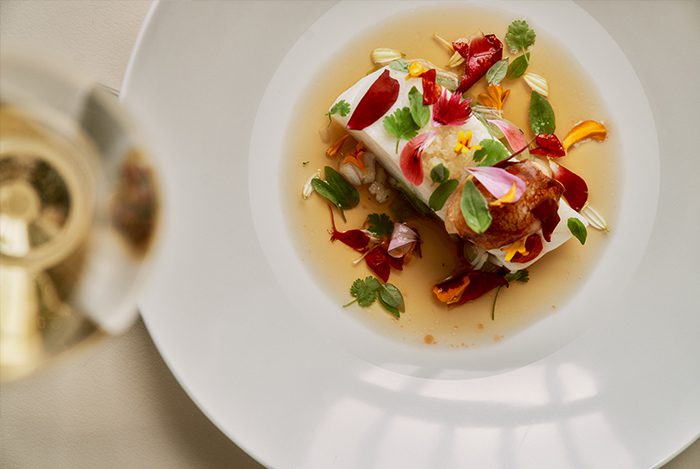
La Cime’s culinary mastery is a living laboratory where French techniques are the foundation for showcasing Japan’s most distinctive ingredients, creating flavor combinations unavailable elsewhere in fine dining. Chef Takada’s signature Amami Pork preparation demonstrates this approach—salt-preserved Shimabuta black pig belly served with papaya and lime on pork tuile, highlighting the rare breed from his subtropical birthplace while applying classical French charcuterie methods. The restaurant’s anticipatory menu development includes daily creative exercises where Takada opens his refrigerator each morning without predetermined themes, allowing ingredients to guide innovation while maintaining technical precision learned during training at Le Meurice under Yannick Alléno and Taillevent in Paris.
Exclusive sourcing partnerships across Japan provide access to ingredients that tell stories of regional diversity, from endemic citrus varieties of Amami Island to premium Kawachi duck from the Kansai region, each selected for its ability to demonstrate Japanese agricultural heritage through French presentation standards. The restaurant’s “Keikoshoukon” philosophy—meaning “meditating upon antiquity to find a guide to the present”—manifests in dishes that respect classical French methods while celebrating Japanese seasonal awareness and ingredient philosophy. This systematic approach to innovation includes incorporating childhood memories of his mother’s and grandmother’s cooking, creating emotional connections that transcend mere technical excellence to achieve cultural storytelling through cuisine.
Service Excellence and Educational Hospitality
Service at La Cime reflects the restaurant’s triangular philosophy, balancing guest, cuisine, and space, with staff providing comprehensive wine experiences that consistently exceed expectations through selections from prestigious French regions, including Sancerre, Meursault, and Châteauneuf-du-Pape, at exceptional value pricing of approximately 6,500-6,800 yen per person. The sommelier program demonstrates a sophisticated understanding of how European wines enhance Japanese ingredient profiles, with guests frequently noting surprise at receiving premium selections typically found in establishments costing significantly more. The intimate 20-seat dining room ensures personalized attention throughout three-hour experiences, while the single private room accommodates up to six guests when deeper privacy is desired.
The front-of-house philosophy mirrors the kitchen’s commitment to cultural education, with staff providing detailed explanations of ingredient sourcing, preparation methods, and the cultural significance of each dish’s connection to Japanese regional traditions. Anticipatory service includes remembering individual guest preferences and modifying menus for returning diners, ensuring they never experience identical dishes unless specifically requested. The restaurant’s approach to hospitality combines French service precision with Japanese attention to detail, creating an atmosphere where sophisticated techniques meet approachable warmth, allowing guests to feel comfortable while experiencing cuisine that challenges preconceptions about cross-cultural fine dining possibilities.
Cultural Identity and Atmospheric Excellence
The restaurant’s minimalist Scandinavian-inspired design creates dramatic contrast through black walls and ceilings paired with crisp white tablecloths and warm wooden floors, establishing an atmosphere where French technical excellence meets Japanese aesthetic principles in Osaka’s quiet Hommachi business district. This design philosophy reflects Chef Takada’s triangular logo, representing perfect balance between essential elements, creating a space where sophisticated dining feels approachable rather than intimidating. The 13-course tasting menu functions as cultural education, with each dish connecting to broader themes about Japanese agricultural diversity, childhood memories from Amami Island, and the evolution of French technique when applied to unfamiliar ingredients.
Educational storytelling extends throughout the dining experience as Chef Takada shares personal narratives about his journey from subtropical island childhood through European kitchen training to establishing Osaka as a significant fine dining destination. The restaurant’s location within the Kawaramachi Usami Building provides tranquility during evening hours when business activity subsides, creating an intimate neighborhood atmosphere that enhances the cultural bridge-building mission. Interactive elements include explanations of the “Keikoshoukon” philosophy and demonstrations of how classical French methods can reveal unexpected characteristics in Japanese ingredients, changing meals into comprehensive cultural learning experiences that inspire appreciation for both culinary traditions.
Looking toward the future, La Cime continues to evolve its approach to cross-cultural fine dining while maintaining the technical excellence and cultural storytelling that define its identity, with ongoing research into regional Japanese specialties and innovative applications within French frameworks. Chef Takada’s commitment to creating 300 new dishes annually ensures continued relevance and surprise for returning guests while advancing global understanding of how culinary traditions can enhance rather than compromise each other. For discerning diners seeking authentic cultural experiences that challenge conventionalacceptablee dining boundaries, La Cime’s 2025 Global Recognition Award represents the culmination of a vision that successfully demonstrates how respect for multiple traditions can create entirely new culinary languages, establishing a destination that educates, surprises, and delights while honoring the evolution of both French technique and Japanese ingredient philosophy in the modern fine dining environment.
Located at 2-6-15 Minami Aoyama, Minato-ku, Tokyo, in one of the city’s most prestigious and sophisticated neighborhoods
Elegant dining room accommodates 26 guests with an additional private dining room for 8 people
2023 renovation incorporated premium Neolith surfaces, wabi-sabi aesthetics, and natural materials reflecting Satoyama philosophy
Partially visible kitchen allows diners to observe culinary artistry while maintaining intimate atmosphere
Serene garden views and carefully orchestrated lighting create optimal conditions for appreciating visual and sensory dining elements
Bilingual service team fluent in Japanese and English provides comprehensive cultural education throughout the dining experience
Staff demonstrate exceptional knowledge of Japanese wine, sake, and the philosophical underpinnings of each course
Anticipatory service seamlessly accommodates complex dietary restrictions while maintaining menu integrity and educational storytelling
Sommelier program features world-class expertise in Japanese terroir, including rare pinot noir from Nagano and Bordeaux-style blends from Yamagata
Personal engagement from Chef Narisawa includes detailed explanations of foraging locations, preparation methods, and cultural significance
Exclusive collaborations like Dom Pérignon pairing experiences demonstrate ability to curate luxury while maintaining sustainability values
Innovative Satoyama cuisine philosophy connects diners to Japan’s natural heritage through extraordinary culinary artistry and environmental consciousness
Signature “Bread of the Forest” features wild yeast harvested from pristine Shirakami-Sanchi mountain range, fermenting tableside in heated stone vessels
Iconic “Soil Soup” incorporates powdered earth, wild mushrooms, and rare truffles challenging conventional fine dining aesthetics
Daily menu adaptations reflect seasonal rhythms and intimate relationships with organic producers from Hokkaido to Okinawa
Proprietary carbonization methods and precision temperature control create unique textures unavailable elsewhere globally
Premium ingredients include sustainably caught seafood, rare mountain vegetables, and wild herbs forming foundations of exclusive dishes
Three-year aged Rishiri kombu for dashi preparation demonstrates commitment to time-honored methods developing complex flavor profiles
Interactive theatrical presentations engage multiple senses through tableside fermentation, precision carbonization, and aromatic elements
Educational storytelling transforms each course into cultural learning experiences about Japanese heritage and environmental stewardship
Multisensory journeys incorporate sight, sound, smell, and touch while delivering profound flavors rooted in Japanese tradition
Chef-guest interactions provide intimate connections and personal narratives about ingredient sourcing and philosophical approaches
Omakase format ensures personalized attention with menus adapted to guest preferences and dietary requirements
Cultural elements including traditional craftworks, lacquerware, and washi paper create immersive Japanese aesthetic experiences
14 consecutive years on World’s 50 Best Restaurants list demonstrates unprecedented consistency and sustained excellence
Two Michelin stars maintained through rigorous quality standards and continuous innovation in sustainable gastronomy
Custom fermentation chambers, precision cooking vessels, and specialized surfaces enable unique culinary techniques
Daily sourcing decisions reflect intimate producer relationships and commitment to seasonal ingredient availability
Staff training encompasses cultural education, wine expertise, and ability to transform dietary challenges into engagement opportunities
Active recruitment of diverse talent including culinary professionals, PR specialists, and administrative support staff
Michelin Green Star recipient and inaugural Sustainable Restaurant Award winner establishing global standards for environmental consciousness
Direct partnerships with organic producers, sustainable fishermen, and foragers supporting traditional Japanese agricultural practices
Chef Narisawa personally visits suppliers, spending days off in mountains and seas to understand environmental impact and sourcing ethics
Zero-waste practices include using fallen leaves and scrap wood for plate creation, supporting local artisans and traditional crafts
Advocacy for pesticide-free agriculture and promotion of beneficial relationship between human communities and natural ecosystems
Educational mission extends beyond dining to inspire industry professionals and guests about environmental stewardship and cultural preservation
Location
3 Chome-2-15 Kawaramachi, Chuo Ward, Osaka, 541-0048, Japan
RESTAURANT INFORMATION

| Table Header | Table Header |
|---|---|
|
Industry |
Restaurants/Fine Dining |
|
Location |
Osaka, Japan |
|
Year Founded |
2012 |
|
Company Size |
20 – 50 employees |
|
Website |