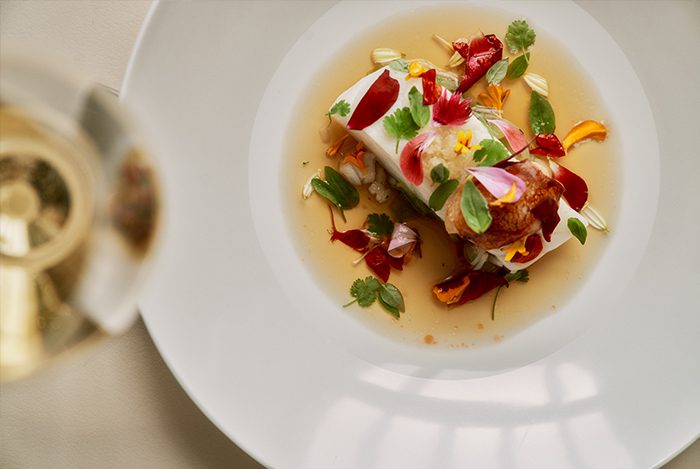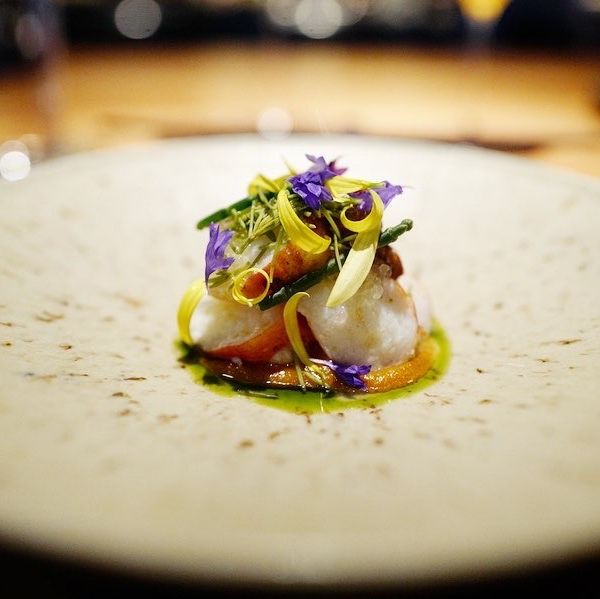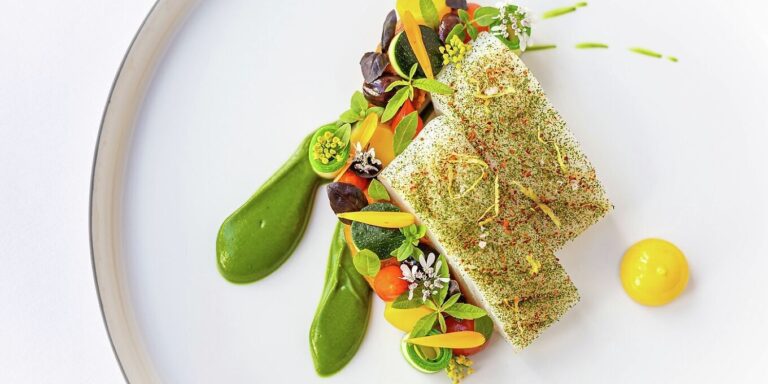
Blue Hill at Stone Barns Restaurant Receives a 2025 GLOBAL RECOGNITION AWARD
A server approaches the table carrying freshly harvested vegetables still dusted with soil from the morning’s picking, arranging carrots, radishes, and greens on a distinctive bed-of-nails display that allows each guest to select ingredients transformed into personalized courses throughout the evening. This moment—where diners participate directly in menu creation while surrounded by the working farm that produces their meal—captures why Blue Hill at Stone Barns has earned the 2025 Global Recognition Award, representing the pinnacle of farm-to-table dining where 80% of ingredients are grown on the restaurant’s own 80-acre property.
Blue Hill at Stone Barns is the only two Michelin-starred restaurant in Westchester County while maintaining Green Star recognition for environmental sustainability, proving that ecological responsibility and culinary excellence can coexist at the highest levels. Chef Dan Barber’s vision extends beyond traditional restaurant operations through Row 7 Seeds, his plant breeding company that develops flavor-focused organic varieties from seed development through final preparation. The restaurant operates without fixed menus; instead, it creates unique dining experiences for each table through conversation with guests. This is supported by a 92-member team with comprehensive knowledge of culinary philosophy and agricultural practices, enabling personalized storytelling throughout each meal.
Culinary Mastery and Innovation
Blue Hill’s culinary cornerstone functions like a master composer who creates symphonies from whatever instruments are available—Chef Barber builds menus around seasonal farm production rather than forcing predetermined dishes, resulting in preparations that exist nowhere else in fine dining. The restaurant’s signature “vegetables from the farm” presentation showcases minimally prepared produce at peak freshness. At the same time, innovative grain-based sausages containing 55% grain and 45% beef demonstrate alternative protein approaches that reposition vegetables as central elements. The kitchen utilizes proprietary Barber wheat varieties developed through university partnerships to create sourdough breads and grain preparations from seed breeding to final plating.
Seasonal menu adaptation drives all culinary decisions, with winter greenhouse production and summer field harvests determining daily offerings that change based on agricultural cycles rather than chef preferences. The restaurant’s compost ovens enable slow-poached preparations that preserve ingredient integrity, while the property’s livestock provides aged dairy products, including milk from cows that have completed their production cycles. Barber’s “Third Plate” philosophy treats proteins as supporting elements while celebrating vegetables and grains, creating entirely new approaches to pleasing dining composition that influence restaurants globally.
Service Excellence and Hospitality Philosophy
Wine Director William Carroll oversees a 1,925-selection program that earned Wine Spectator’s Grand Award despite the unprecedented challenge of pairing beverages without predetermined menus, requiring sommeliers to treat the entire wine cellar as a “spice rack” for personalized experiences. The service team creates individualized menus through detailed guest conversations about preferences and dietary requirements, then provides comprehensive education about ingredient origins, farming practices, and preparation methods throughout the evening. Staff expertise extends to agricultural knowledge, enabling authentic storytelling about seasonal cycles, sustainable practices, and the connection between soil health and flavor development.
The restaurant implements educational components, including kitchen tours, farm walks, and interactive ingredient selection experiences that transform dining into immersive agricultural education. Service includes detailed explanations of the property’s livestock, greenhouse operations, and composting systems that support ingredient production, creating connections between guests and food origins. Rather than traditional tipping, the unique 20% administrative fee structure reflects the restaurant’s commitment to fair labor practices. At the same time, reservation systems accommodate the complex logistics of menu-less dining that requires extensive preparation and guest communication.
Cultural Identity and Dining Experience
The restaurant occupies a renovated 1930s dairy barn from the former Rockefeller estate, designed by Grosvenor Atterbury and converted by Guzy Architects using limestone, plaster, and white oak materials that honor the historic Norman-style farm architecture. The 15,000-square-foot space seats 88 guests with views of the working farm that serve as constant reminders of the agricultural foundation underlying each course. At the same time, custom lighting and acoustical improvements create intimate dining experiences within the expansive barn setting. The Stone Barns Center integration provides an authentic agricultural heritage context while addressing contemporary food system challenges through sustainable farming demonstrations.
Each meal includes comprehensive storytelling about American agricultural heritage, seasonal farming cycles, and environmental stewardship that educates guests about sustainable food production while celebrating regional culinary traditions. The dining experience extends beyond the restaurant through farm tours, educational programming, and retail spaces, reinforcing connections between agriculture and cuisine. Barber’s narrative of childhood summers at his grandmother’s Blue Hill farm provides cultural authenticity. At the same time, the restaurant’s influence through Netflix’s “Chef’s Table” and industry advocacy has inspired global adoption of farm-to-table approaches that prioritize environmental responsibility alongside culinary excellence.
Blue Hill at Stone Barns continues advancing sustainable dining through ongoing agricultural research, Row 7 Seeds development, and educational programming that connects future diners with food origins and environmental stewardship principles. The restaurant’s commitment to innovation within agricultural constraints ensures that future menus will reflect seasonal changes and advances in sustainable farming practices that enhance flavor while protecting environmental resources. Blue Hill at Stone Barns’ receipt of the 2025 Global Recognition Award validates a comprehensive approach to fine dining that proves restaurants can serve as agents of agricultural education and environmental change while maintaining the luxury and precision expected from Michelin-starred establishments, establishing new standards for culinary excellence that celebrate ecological responsibility as an essential component of exceptional dining experiences.
Located at 630 Bedford Road in Pocantico Hills, New York on the 80-acre Stone Barns Center for Food & Agriculture property
Housed in renovated 1930s Norman-style dairy barn from former Rockefeller estate designed by Grosvenor Atterbury
15,000-square-foot space seats 88 guests with views of working farm providing constant connection to agricultural operations
Interior features limestone, plaster, and white oak materials with custom lighting and acoustical improvements creating intimate dining within expansive barn setting
Approximately 30 miles north of Manhattan in Hudson Valley, accessible via Metro-North to Tarrytown or direct driving with on-site parking
Operating hours Thursday-Saturday dinner service and Sunday lunch with seasonal adjustments
92-member service team creates personalized menus through detailed guest conversations about preferences and dietary requirements
Staff demonstrates comprehensive knowledge of both culinary philosophy and agricultural practices enabling authentic storytelling throughout meals
Wine Director William Carroll oversees 1,925-selection program earning Wine Spectator Grand Award despite challenge of pairing without predetermined menus
Educational components include kitchen tours, farm walks, and interactive ingredient selection experiences transforming dining into agricultural education
Unique 20% administrative fee structure rather than traditional tipping reflecting commitment to fair labor practices
Service includes detailed explanations of livestock, greenhouse operations, and composting systems connecting guests to food origins
Two Michelin stars with Green Star recognition as only starred restaurant in Westchester County demonstrating sustainability excellence
80% of ingredients produced on-site including vegetables, herbs, grains, dairy products, and meat from property’s livestock
Menu-less dining format creating unique personalized experiences for each table based on seasonal farm production and guest preferences
Signature “vegetables from the farm” presentation featuring minimally prepared produce showcased on distinctive bed-of-nails displays
Row 7 Seeds plant breeding program developing flavor-focused organic varieties from seed development through final preparation
Proprietary Barber wheat varieties used for sourdough breads and innovative grain-based sausages containing 55% grain and 45% beef
Featured on Netflix’s “Chef’s Table” and named “best restaurant in the United States” by Eater in 2016
Interactive ingredient selection allowing guests to choose produce that is then prepared and presented throughout the meal
Comprehensive farm tours and educational programming extending dining experience beyond restaurant into agricultural operations
Seasonal menu adaptation driven entirely by greenhouse production in winter and field harvests during growing seasons
Kitchen tours providing behind-the-scenes access to food preparation and Chef Dan Barber interactions
Specialized compost ovens enabling slow-poached preparations that preserve ingredient integrity while enhancing flavors
Complex logistics management for menu-less dining requiring extensive advance preparation and guest communication
Staff training encompassing both fine dining service standards and comprehensive agricultural knowledge for educational storytelling
Reservation systems accommodating personalized menu creation while managing high demand requiring months advance booking
Integration with Stone Barns Center educational facilities, farm operations, and retail spaces creating comprehensive destination experience
Implementation of resourcED program during COVID-19 providing take-home ingredient boxes demonstrating operational adaptability
Michelin Green Star recognition for comprehensive sustainability practices including waste reduction, composting, and educational programming
Row 7 Seeds initiative developing climate-resilient organic varieties grown without chemicals, GMOs, fertilizers, or pesticides
On-site livestock management including cows, sheep, pigs, and chickens supporting nose-to-tail philosophy and waste reduction
Educational mission connecting diners to sustainable agriculture through immersive experiences demonstrating environmental stewardship
Chef Dan Barber’s advocacy through “The Third Plate” philosophy influencing industry-wide adoption of sustainable farm-to-table approaches
Fair labor practices implementation including administrative fee structure supporting staff compensation rather than traditional tipping models
Location
630 Bedford Rd, Tarrytown, NY 10591, United States
RESTAURANT INFORMATION

| Table Header | Table Header |
|---|---|
|
Industry |
Restaurants/Fine Dining |
|
Location |
Tarrytown, NY, United States |
|
Year Founded |
2004 |
|
Company Size |
70 – 110 employees |
|
Website |