
WINNER 2025
Md Firoz Kabir Celebrates 2025 Global Recognition Award™

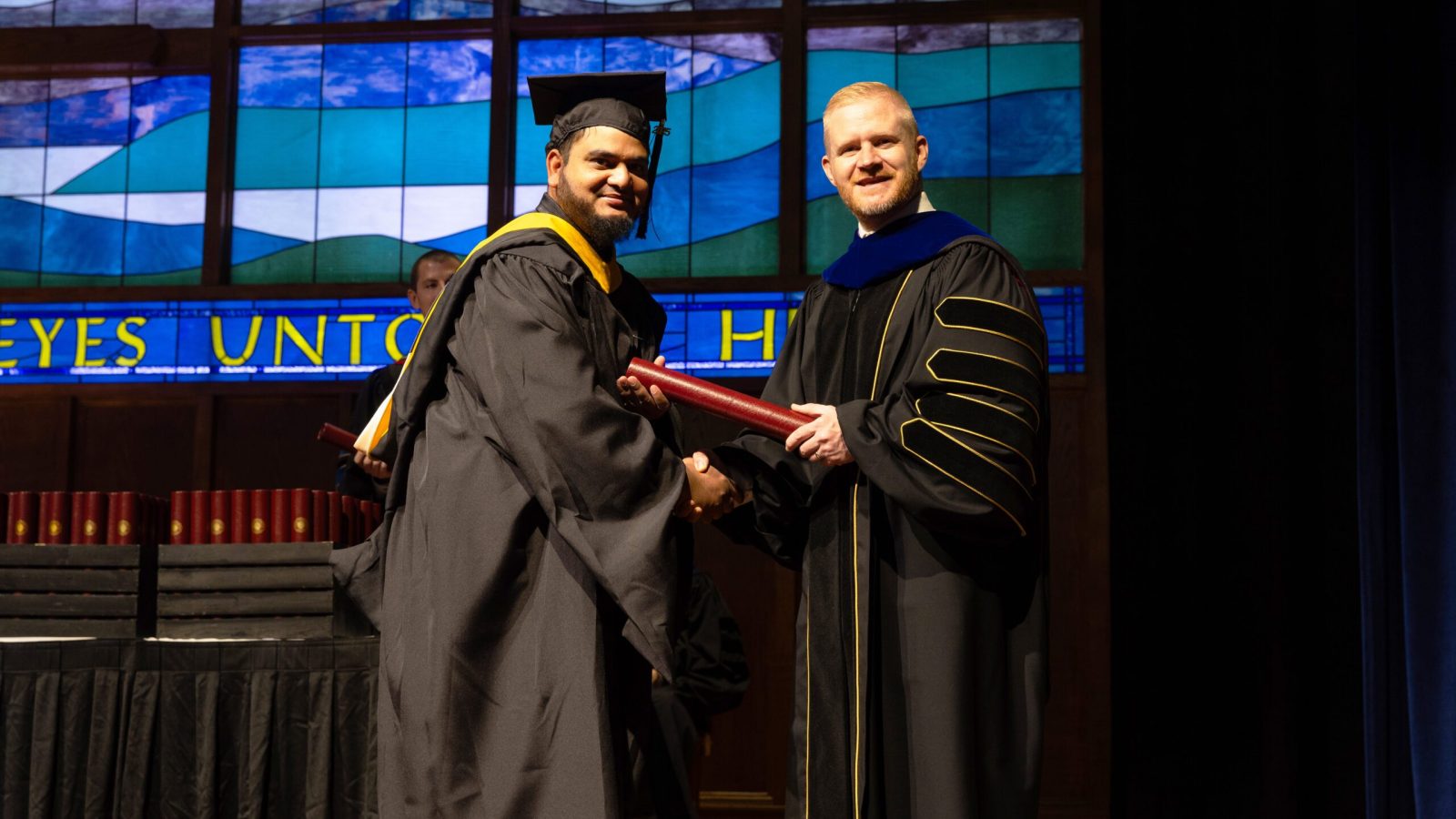
Md Firoz Kabir Receives 2025 Global Recognition Award™
Md Firoz Kabir has been recognized with a 2025 Global Recognition Award for his contributions to artificial intelligence focused on the early detection of life-threatening illnesses. Kabir developed advanced machine learning and deep learning systems that achieve high accuracy in diagnosing cancer and cardiovascular conditions from medical images and patient records. His work addresses a critical gap in healthcare by enabling faster, more accurate diagnoses that can save lives through early intervention. The evaluation process for shortlisted applicants employed the Rasch model, which creates a linear measurement scale for each category, allowing for precise comparisons between applicants even when they excel in different areas.
Kabir scored top ratings across all five criteria evaluated by Global Recognition Awards. His work demonstrates originality through the use of hybrid neural network structures, international collaboration with medical institutions, extensive publication citations, the interdisciplinary integration of computer science and healthcare, and significant potential for real-world clinical applications. The University of the Cumberlands scientist analyzed 20,000 lung and colon tissue images using a hybrid convolutional neural network structure that improved early cancer detection performance beyond existing methods.
Advanced Cancer Detection Systems
Kabir’s most significant achievement involves developing LightSE-MobileViT, a lightweight oral cancer identification system that achieved 98.39 percent accuracy with a perfect ROC-AUC score of 1.00 on 981 oral cancer images. This framework outperformed leading industry tools by combining squeeze-and-excitation layers with a mobile vision transformer structure, making it suitable for deployment in resource-constrained clinical settings. The platform processes images using advanced augmentation, normalization, and hybrid convolutional layers with multiple filter sizes to capture multi-scale spatial features.
The framework positions itself as a strong candidate for clinical deployment, supporting pathologists with fast and reliable tissue assessments that reduce human diagnostic errors. Kabir’s cancer work encompasses multiple types, including lung, colon, and oral cancers, showing versatility across different diagnostic challenges. His efforts address the urgent need for accessible diagnostic technology in regions where specialist physicians and advanced imaging facilities remain limited.
Cardiovascular Prediction Systems
Kabir’s cardiovascular work employed 1,025 patient records with 14 clinical features to develop hybrid frameworks, including XGBoost-CapsNet and CNN-Transformer Encoder structures. These platforms employed normalization techniques and SMOTE oversampling to address clinical data imbalances, while identifying key predictive signals for heart disease. The hybrid approach delivers more precise and stable predictions than traditional single-model setups by combining deep learning representation with structured feature robustness.
Kabir collaborates with hospitals, diagnostic centers, and interdisciplinary institutions to transition his frameworks from laboratory prototypes into clinical pilot studies. His current projects aim to evaluate fairness, reduce bias, and mitigate demographic generalization, ensuring that AI platforms serve diverse populations without compromising predictive accuracy. Kabir explores federated learning pipelines that enable secure, privacy-preserving collaboration between hospitals while maintaining compliance with medical privacy regulations such as HIPAA.
Final Words
Md Firoz Kabir’s long-term vision extends beyond academic recognition to democratizing access to cutting-edge medical technology across socioeconomic barriers and technological limitations. He aims to create diagnostic platforms capable of analyzing clinical images, laboratory results, and patient signals in real-time, enabling the identification of illness risk in minutes rather than weeks. His focus on lightweight, device-friendly AI frameworks makes advanced diagnostics available in low-resource settings, including developing countries where medical infrastructure remains limited.
Md Firoz Kabir’s contributions strengthen the scientific community, demonstrating that technology delivers maximum value when applied to protect human life. Global Recognition Awards spokesperson Alex Sterling noted, “Kabir’s outstanding work represents the intersection of technical innovation and humanitarian impact, where artificial intelligence becomes a tool for saving lives through more accurate, accessible, and timely illness identification that transcends geographic and economic boundaries.” His efforts offer tangible hope for a future where intelligent, precise, and accessible diagnostic platforms become the worldwide standard for early illness identification.
ADDITIONAL INFORMATION
| Table Header | Table Header |
|---|---|
|
Industry |
Healthcare Technology |
|
Location |
Williamsburg, KY, USA |
|
What They Do |
Md Firoz Kabir is a scientist at the University of the Cumberlands who develops artificial intelligence systems for early detection of life-threatening diseases. He creates machine learning and deep learning frameworks that analyze medical images and patient records to diagnose cancer and cardiovascular conditions with high accuracy. His notable work includes LightSE-MobileViT, achieving 98.39% accuracy in oral cancer identification, and hybrid systems analyzing lung, colon tissue images, and cardiovascular data. Kabir collaborates with medical institutions to transition his AI platforms from research prototypes into clinical applications, focusing on making diagnostic technology accessible in resource-limited settings. |
|
Website |
Take your business to the next level
Apply today and be a winner